
Case Studies
Examples of portals, integrations, commerce systems, billing flows, and operational software built for day-to-day operations
Challenge
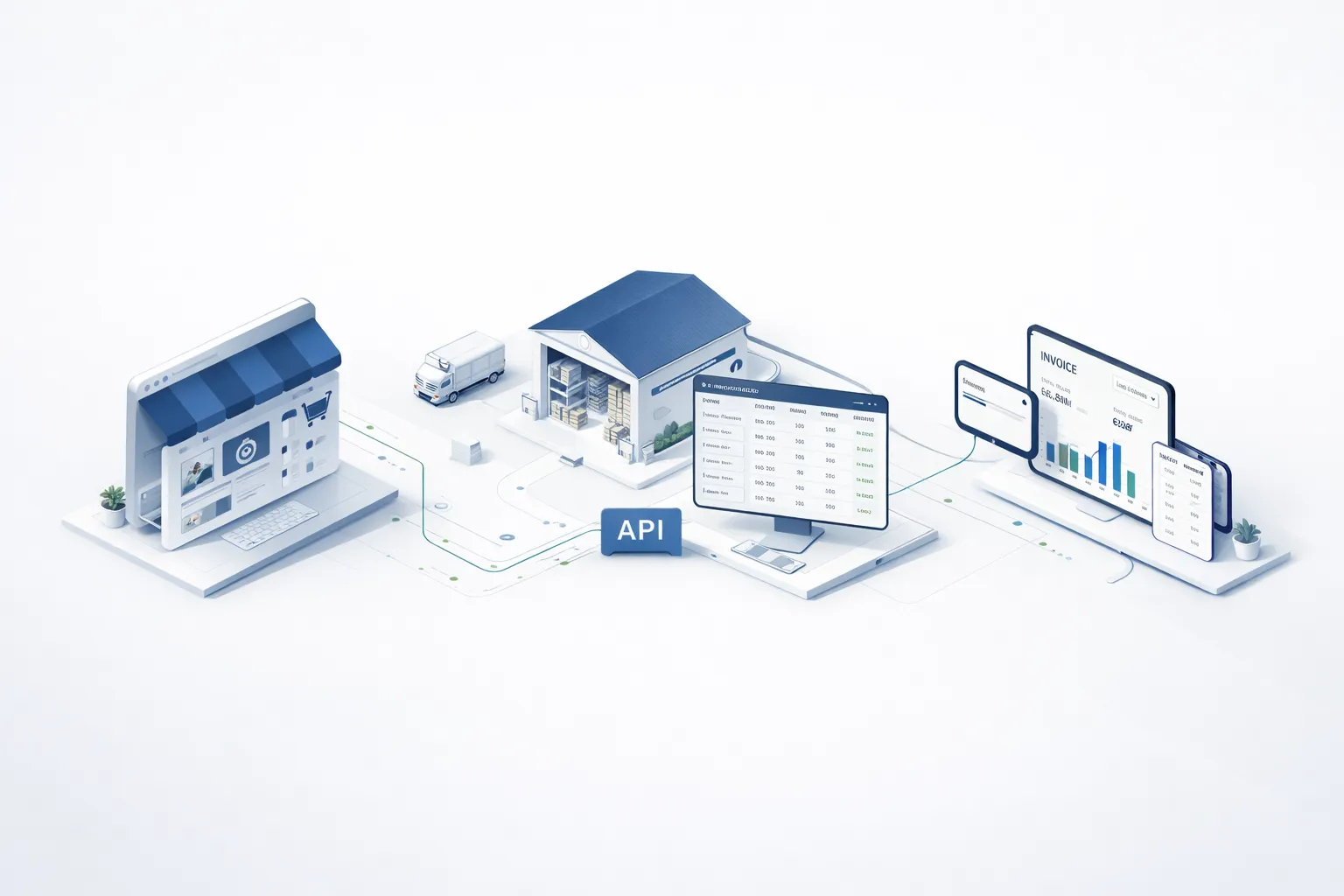
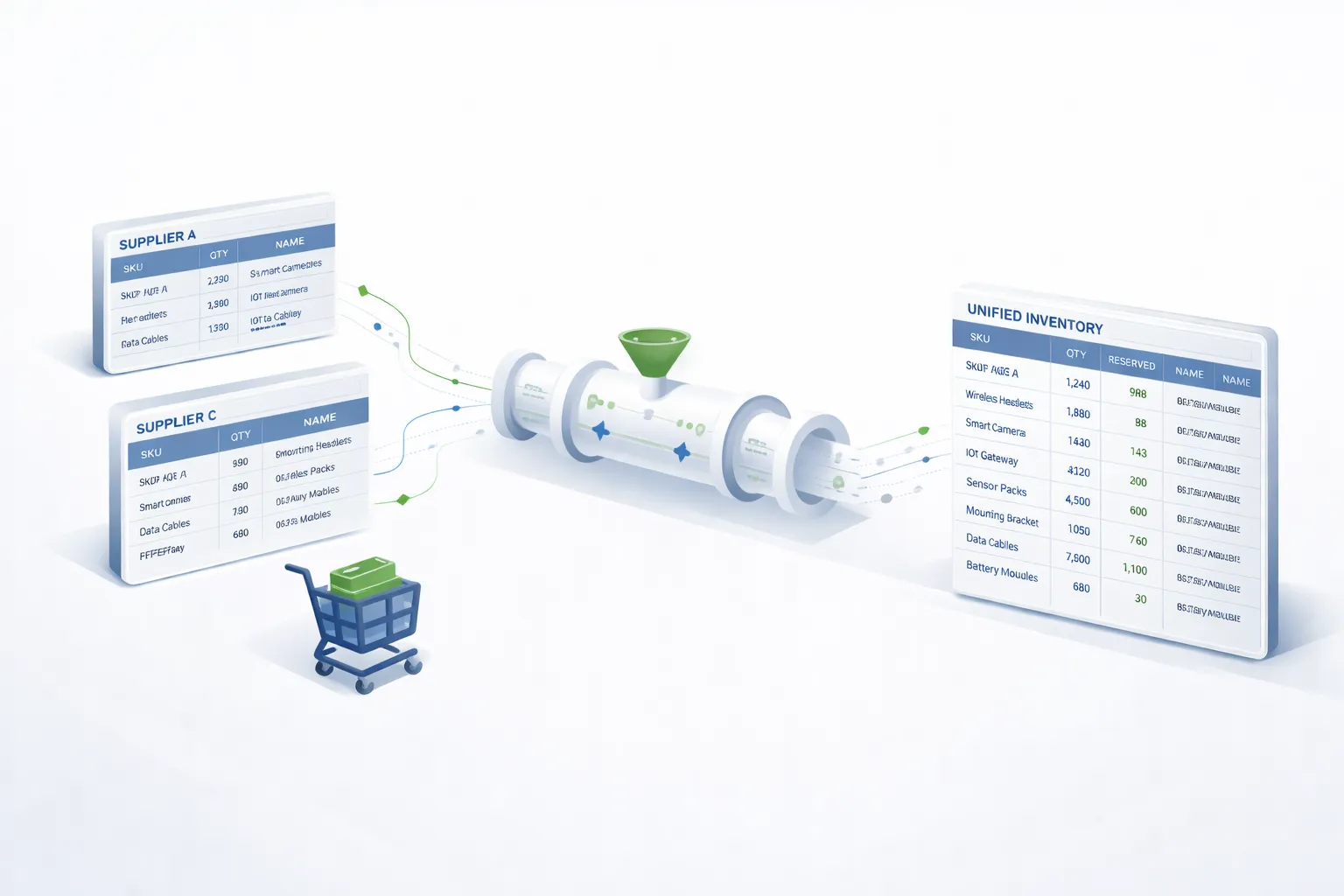
Stock lived across Lightspeed eCom and multiple suppliers, creating mismatches, overselling, and manual updates.
Solution
Built inventory sync integrations that pulled supplier availability, normalized the data, and updated Lightspeed eCom through a controlled middleware layer.
Supplier feeds came in different formats, at different intervals, with partial data. The middleware normalised everything, handled conflicts and edge cases, and pushed controlled updates to Lightspeed eCom — replacing the spreadsheet-based process the team had been running manually. Stock accuracy improved significantly, and the operations team reclaimed hours of weekly admin work.
Challenge
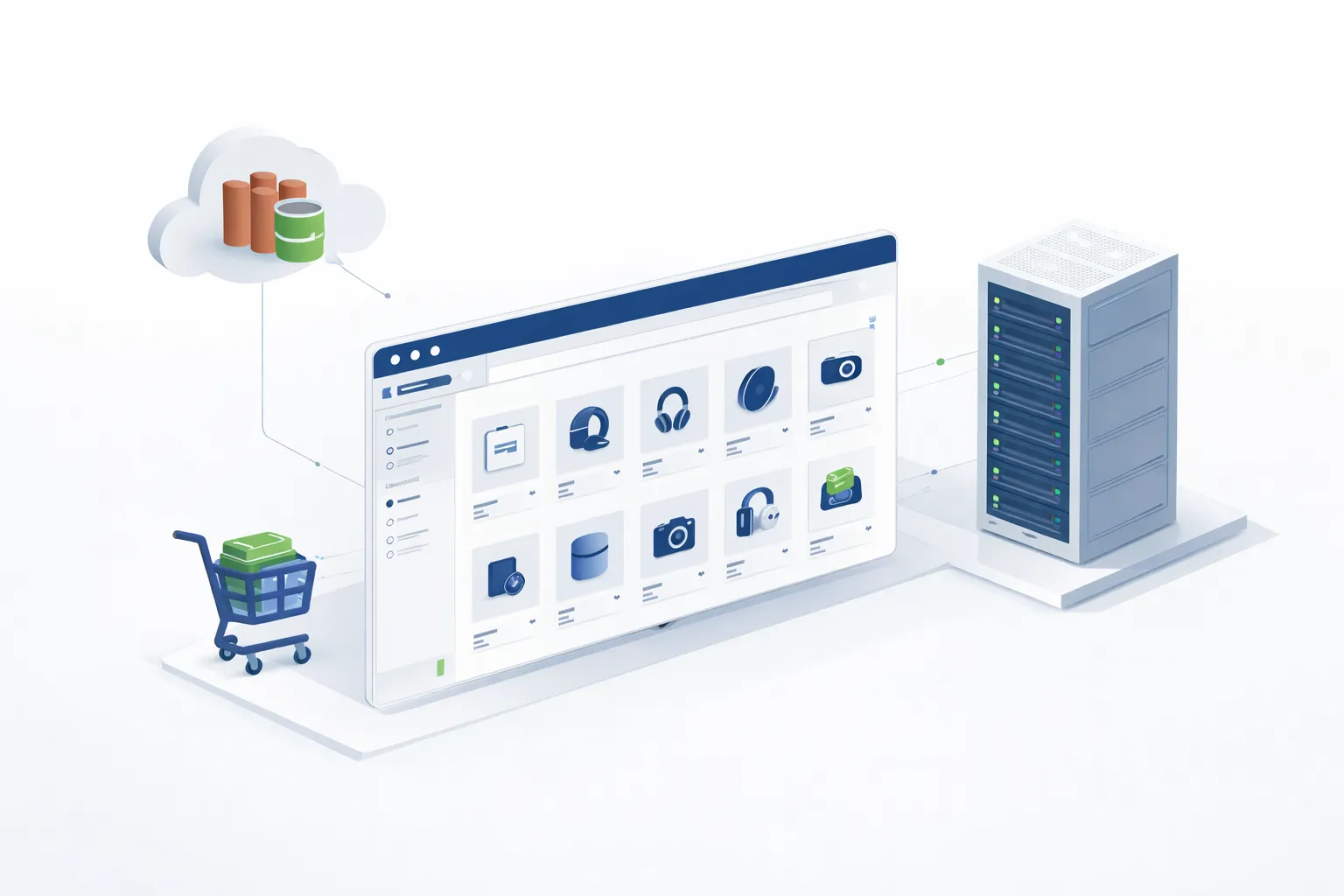
The business needed more than a standard store: hosted delivery, custom workflows, operational control, and practical asset management.
Result
New store deployment went from days to under 30 minutes. Platform uptime above 99.9%. Full separation of application logic and storage reduced hosting complexity by ~60%.
This project used OpenCart as a base for a proper software product rather than a one-off shop build. The platform ran on DigitalOcean with S3-backed storage, which made the application layer stateless and easier to deploy. New tenants could be provisioned in minutes instead of days. Around that, the work covered catalog control, order handling, admin workflows, and the operational surface the business actually needed — with clearer monitoring and fewer moving parts per deployment.
Challenge
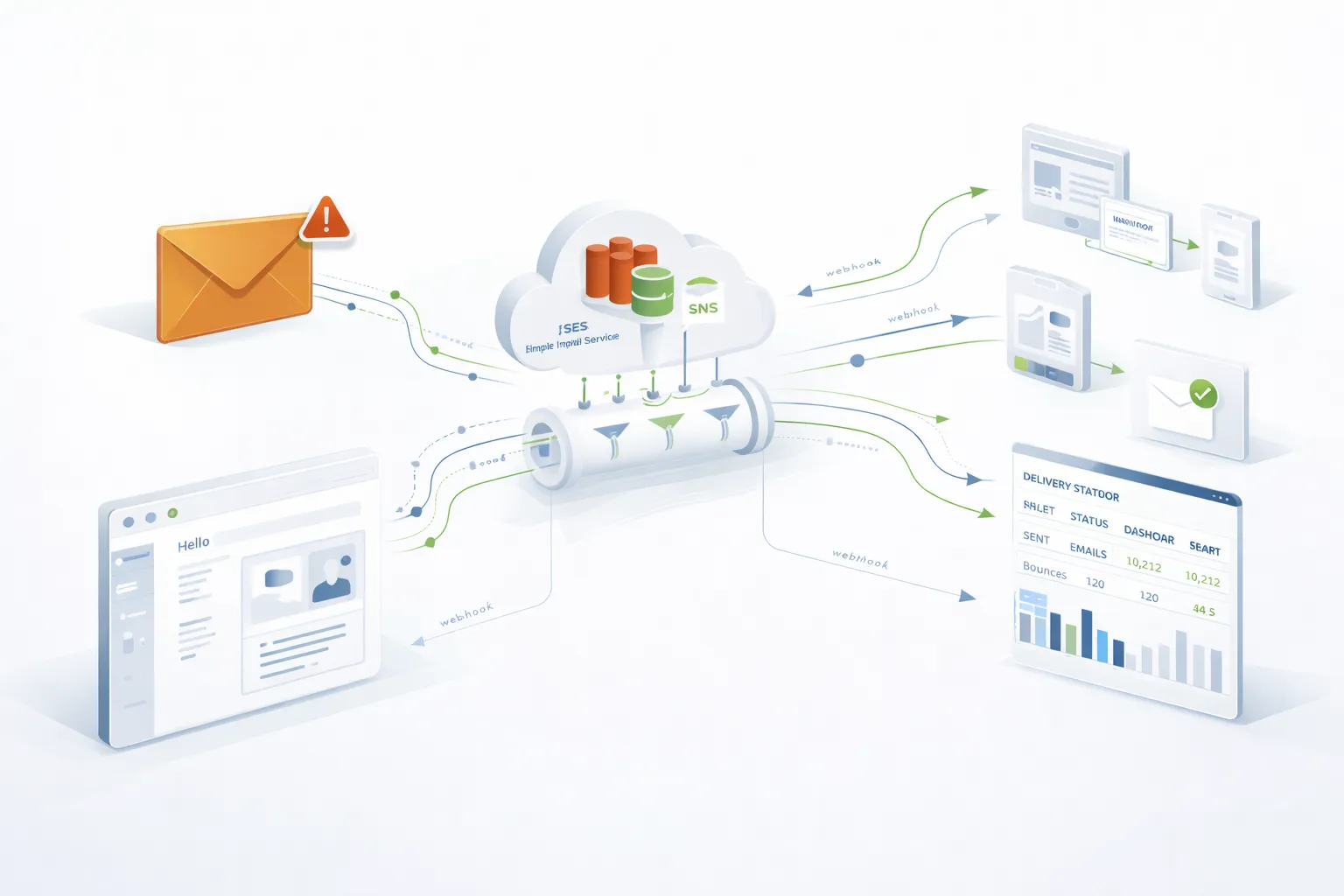
The team wanted Mailjet-like capabilities without depending on a third-party SaaS for every template, event, and operational control.
Result
Email costs dropped ~70% compared to third-party SaaS. Full delivery visibility with bounce, complaint, and suppression tracking. Zero vendor lock-in.
Mailhub replaced a third-party email SaaS with an ownable platform on AWS SES/SNS. The team got template management, delivery event tracking, bounce and complaint handling, suppression logic, and webhooks — all under their own control. Monthly email costs dropped significantly, and the operations team gained full visibility into what was sent, delivered, bounced, or suppressed.
Challenge
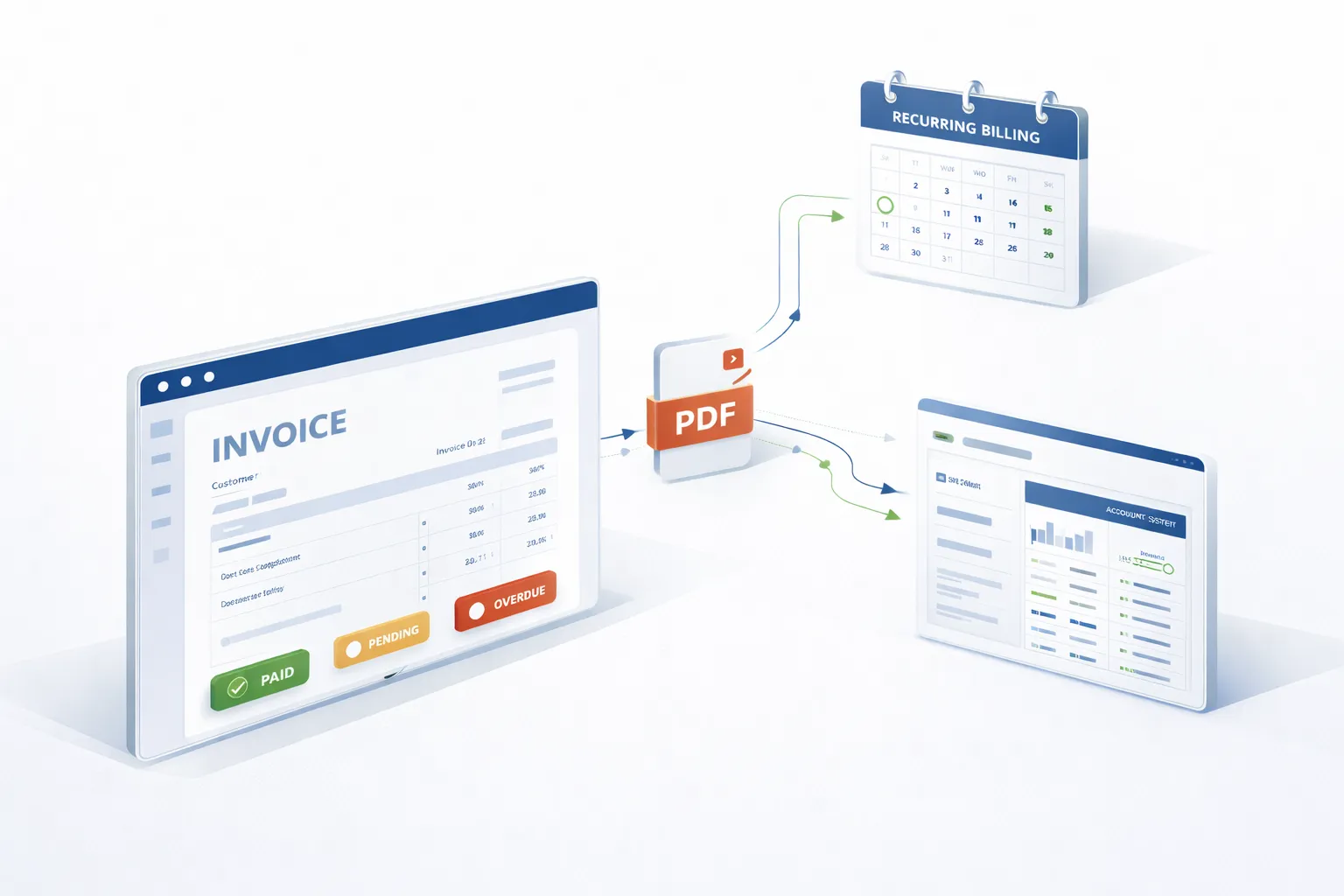
Invoicing, documents, reminders, and status tracking were spread across manual steps and disconnected tools.
Result
Billing cycle went from 3–5 days to same-day. Manual steps reduced by ~75%. Full audit trail from invoice creation through payment tracking.
The platform replaced a scattered process of spreadsheets, manual PDFs, and email-based reminders with a single billing surface. Invoice creation, numbering, recurring billing, reminders, status tracking, PDF generation, and handoff to accounting — all in one system. The finance team went from spending days on billing to completing the cycle in hours, with full visibility at every step.
Book a Project Discovery Call
Describe the workflow, app, integration, or product idea. We will help shape the first practical milestone, risks, and route to delivery.